How to Tell if an Elopement Package Is Actually Well Designed
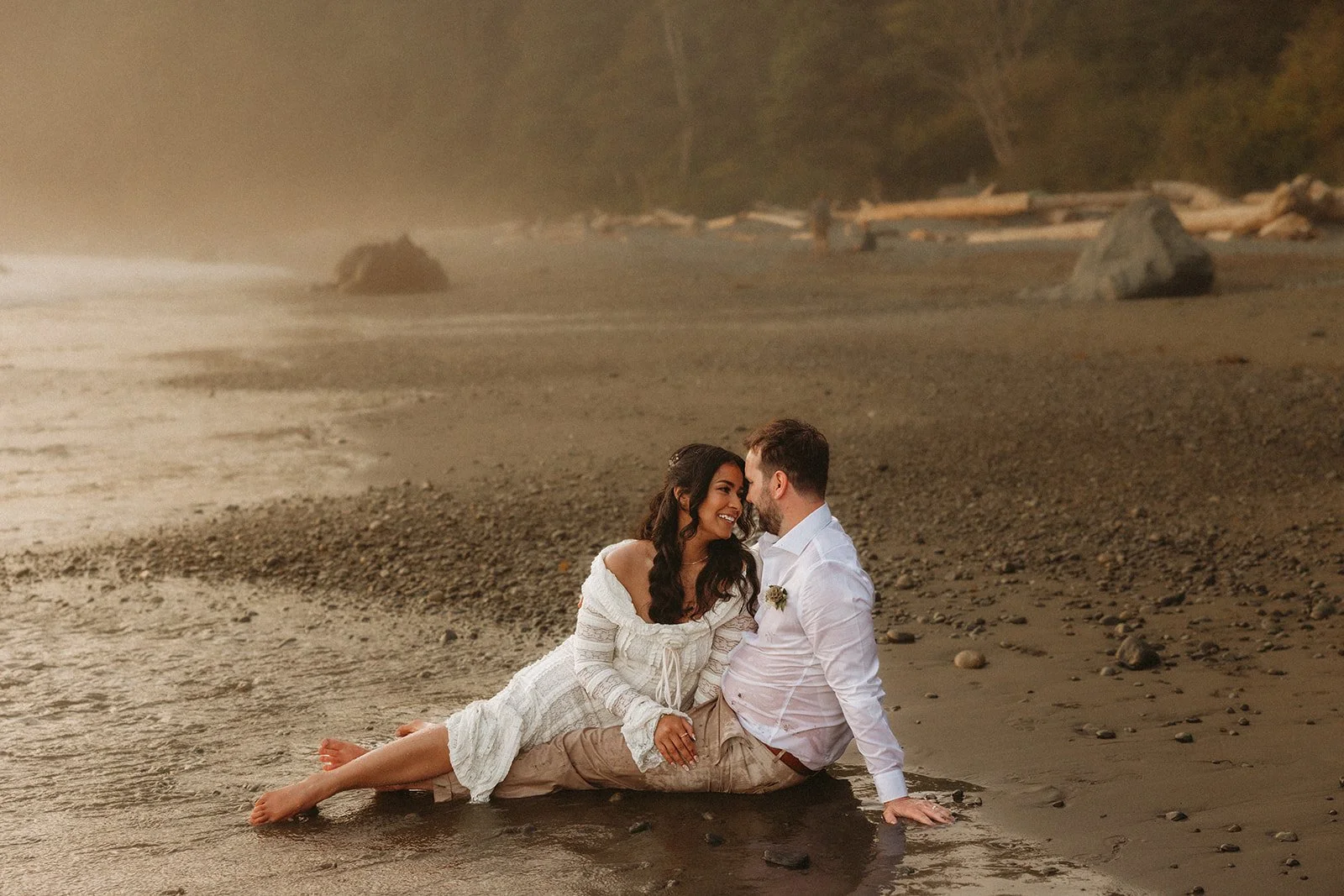
Photo by Mad Magic Photography.
Elopement packages have gotten harder to compare over the last few years. The market has grown, the offerings vary enormously, and a lot of packages use similar language — "all-inclusive," "stress-free," "fully curated" — to describe very different levels of actual planning support.
So how do you know if what you're looking at is genuinely well designed? Here are the things I'd look for.
Who is leading the planning?
This is the most important question, and it's often the least clearly answered on a package's website. Is there a planner involved? Or is the package built around a photographer who has added some vendors to their offering?
A photographer-led package is not a bad thing — it can be a great fit for couples who want something simple or cheaper. But it's a fundamentally different experience from a planner-led one. Photographers are oriented toward images. Planners are oriented toward the day. Knowing which one you're buying tells you a lot about what the experience will actually feel like.
What does the timeline support actually look like?
A well-designed package should include real timeline work — not just a rough run of show, but a plan that accounts for travel time, vendor arrival windows, getting-ready flow, contingency, and the pacing of the day as a human experience.
If a package mentions "a timeline" without any description of what goes into building it, it's worth asking. Who builds it? How much input do you have? What happens if the day runs differently than planned?
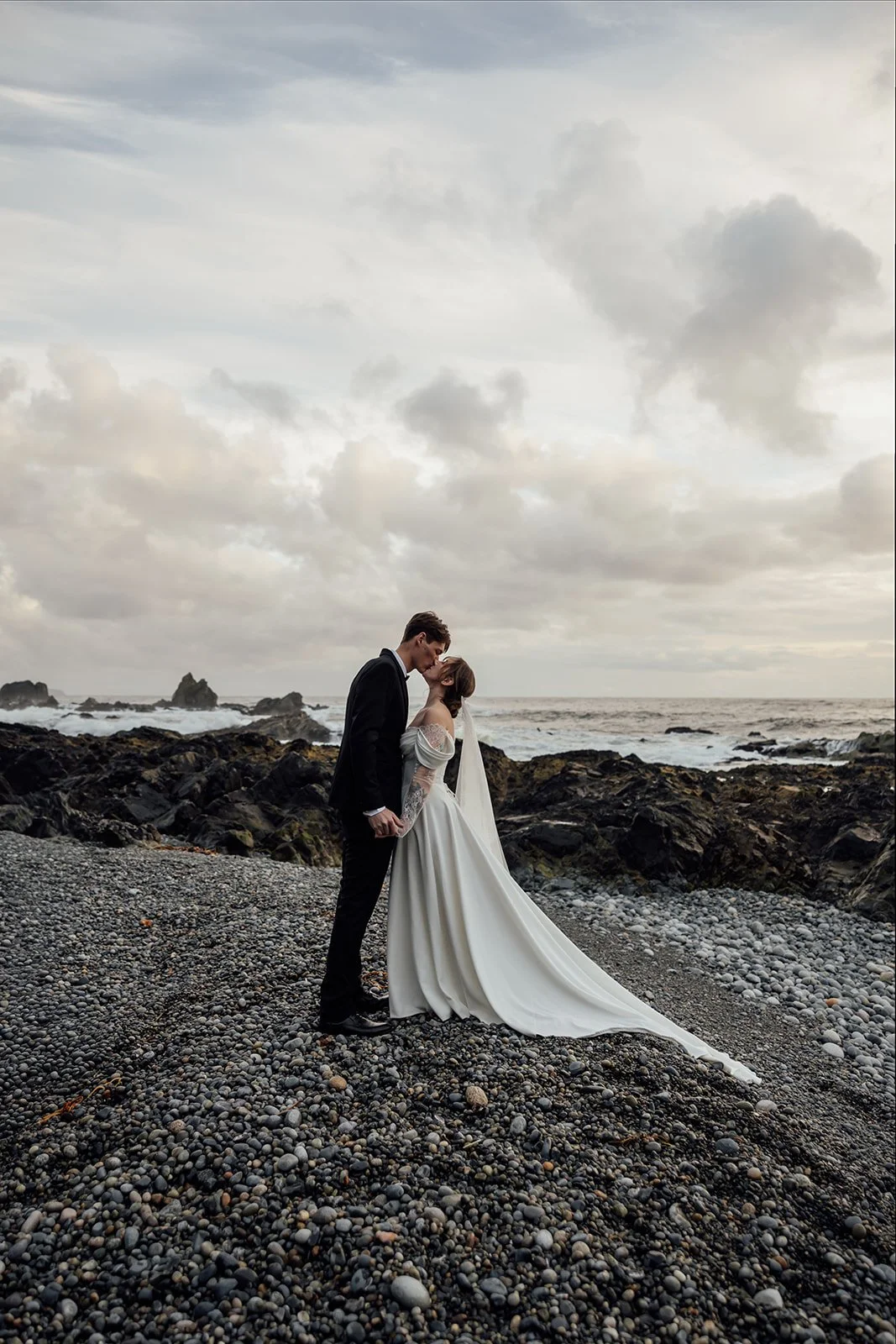
Photography by Unspoken Photography.
Is there genuine location support, or just a list?
Many packages include "location recommendations" as a feature. That can mean anything from a planner who will thoughtfully match you to a location based on your vision, to a PDF of popular spots you could have found on Google.
Genuine location support involves a real conversation about what you want the day to feel like, specific recommendations based on that, knowledge of permit requirements, awareness of seasonal and timing considerations, and a backup plan. If a package doesn't describe that kind of depth, it's worth asking how location selection actually works.
What's the vendor situation?
"Curated vendors" is a phrase that appears in a lot of elopement packages. What it means varies. Sometimes it means vendors the photographer loves working with and has built a package around. Sometimes it means vendors a planner has vetted for quality, reliability, and fit.
The questions worth asking: Can you swap vendors if the ones included aren't the right fit for your vision? Who manages vendor communication and coordination? If a vendor has a problem on the day, who handles it?
A well-designed package has clear answers to all of these.
Is there day-of presence, and who is it?
Some packages include a coordinator or planner on the day. Some don't. Some include the photographer in a coordination role, which — as I've written about elsewhere — is a real ask of someone whose primary job is to be behind a camera.
Knowing who is physically present on your wedding day, what their role is, and what decisions they're empowered to make on your behalf is one of the most important pieces of information you can have before you book.
Does the contract reflect the package?
A well-designed package is backed by a well-designed contract. The scope of services should be clearly defined. Cancellation and rescheduling terms should be specific. The deliverables — images, timeline, florals, officiant — should be named and described. Travel inclusions and exclusions should be explicit.
If the contract is vague where the website is enthusiastic, that gap is worth paying attention to.

Photography by Unspoken Photography.
Does it feel like it was designed for couples, or for ease of delivery?
This is a softer question, but an important one. Some packages are well-designed in the sense that they're efficient and repeatable — the same vendors, the same locations, the same structure for every couple. That efficiency can mean a lower price point and a smooth experience. It can also mean a day that doesn't feel particularly tailored to you.
A package designed for couples prioritizes flexibility. It asks who you are before it tells you what you're getting. It has a process that adapts, not just one that executes.
Neither approach is wrong. But knowing which one you're buying helps you know what to expect.
Sea to Sky Elopements packages are built around real planning — location curation, full timeline development, vendor coordination, and on-site presence. If you want to talk through what's included and what makes our approach different, reach out.
Elopement Planning Frequently Asked Questions
What should I look for in an elopement package?
A well-designed elopement package should clearly explain who is leading the planning, what timeline support is included, how location selection works, which vendors are involved, and who will be present on the wedding day. It should also have a clear contract that outlines deliverables, cancellation terms, travel details, and responsibilities.
What is the difference between a planner-led and photographer-led elopement package?
A photographer-led elopement package is usually centred around photography and may include some vendor recommendations or simple planning support. A planner-led elopement package is built around the full wedding day experience, including location curation, vendor coordination, timeline development, logistics, contingency planning, and on-site support. Neither option is wrong, but they offer different levels of service.
Are all-inclusive elopement packages really all-inclusive?
Not always. “All-inclusive” can mean different things depending on the company. Some packages include planning, photography, florals, officiant services, vendor coordination, and day-of support. Others may only include a smaller set of services. Couples should always ask what is included, what costs extra, who manages each part of the day, and whether travel, permits, or backup plans are covered.
Why does timeline support matter for an elopement?
Timeline support matters because elopements often involve travel, outdoor locations, multiple vendors, weather considerations, photography timing, and guest movement. A strong timeline does more than list the ceremony time. It accounts for getting ready, travel, vendor arrivals, portraits, ceremony pacing, contingency time, and how the day will actually feel for the couple.
What kind of location support should an elopement package include?
Good elopement location support should include more than a generic list of popular places. A planner should help match the couple with a location based on their vision, accessibility needs, privacy preferences, seasonal conditions, permit requirements, timing, and backup options. This is especially important for outdoor elopements in places like the Sea to Sky corridor, Vancouver, Whistler, Squamish, and other popular BC destinations.
Should an elopement package include vendor coordination?
A strong elopement package should explain how vendors are selected, whether couples can swap vendors, and who manages vendor communication. Vendor coordination can include communicating timelines, confirming arrival times, handling changes, and solving problems on the day. Without clear vendor coordination, couples may end up managing details themselves.
Do I need a day-of coordinator for an elopement?
A day-of coordinator is highly recommended if your elopement includes multiple vendors, guests, travel between locations, or any meaningful logistics. Even small weddings need someone who can manage timing, answer questions, handle small problems, and keep the day moving. If the photographer is expected to coordinate everything, it may pull their focus away from capturing the day.
What should be included in an elopement package contract?
An elopement package contract should clearly list the services included, deliverables, payment terms, cancellation and rescheduling policies, travel fees, vendor responsibilities, image delivery details, permit responsibilities, and what happens if plans change. If the contract is vague, couples should ask for clarification before booking.
How do I know if an elopement package is actually customized?
A customized elopement package should begin with questions about the couple’s relationship, priorities, location preferences, comfort level, guest list, budget, and vision for the day. If every couple receives the same location, structure, and vendor lineup, the package may be efficient and simple, but not deeply personalized.
Are Sea to Sky Elopements packages planner-led?
Yes. Sea to Sky Elopements packages are built around real planning support, including location curation, full timeline development, vendor coordination, and on-site presence. The goal is to create an elopement experience that feels thoughtful, supported, and tailored to the couple rather than simply packaged for convenience.