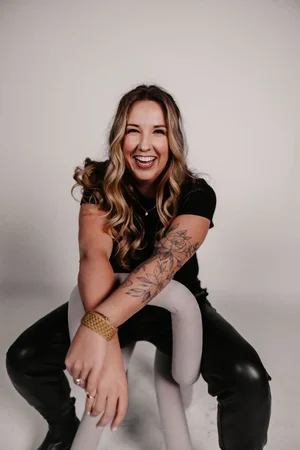
How to Plan a Small Wedding Ceremony That Feels Big on Meaning

Photography by Janessa Alicia Photography.
Let’s be honest: you don’t want a huge wedding.
You want a meaningful, intimate ceremony with your favorite humans, you don’t want to be on display in front of 150 people and your mom’s coworkers.
But you also don’t necessarily want to elope completely alone, and you’re worried a “small wedding” will feel…underwhelming? Too casual? Like you “settled” instead of chose?
Let’s fix that.
This guide will walk you through how to plan a small wedding ceremony that still feels big on emotion, intention, and meaning without making you the project manager of your own day.
What is a small wedding ceremony?
A small wedding ceremony is an intimate, intentional celebration with a limited guest list, usually 10–40 people, where the focus is on your relationship, your vows, and the experience of being together, not on hosting a huge event.
It can look like:
A forest ceremony with 20 guests
A backyard or Airbnb wedding with your inner circle
A cliffside or beach ceremony followed by a dinner party
The point: less guest list, more connection.
How many guests count as a “small” wedding?
There’s no legal definition, but here’s a helpful way to think about it:
Elopement: 0–10 guests (or just you two)
Small / intimate wedding: ~10–40 guests
Traditional wedding: 50+ guests (hello, seating chart chaos)
If you can picture sharing a real conversation with everyone there on your wedding day, you’re in small-wedding territory. If you’re mentally bracing to “make the rounds”? That’s a big wedding.

Photography by Mad Magic Co.
Why choose a small wedding over a traditional one?
Choosing a small wedding lets you keep the parts of a wedding you love; community, celebration, toasts, all while ditching the pressure, politics, and production.
Couples usually go small because they want:
More meaning, less performance
Quality time with the people who matter most
A day that feels calm, present, and personal
A budget that reflects their actual priorities (experiences > chair covers)
You’re not “settling for less.” You’re choosing a format that actually supports the kind of marriage and memories you want.
How do you plan a small wedding that still feels special?
Here’s where we make sure your small wedding ceremony feels intentional and significant, not like you just shrunk a big wedding and called it a day.
We’ll walk through:
Defining what “meaning” actually means to you
Deciding your guest list on purpose
Choosing the right type of ceremony (micro-wedding vs elopement-ish)
Picking a location with built-in emotion
Designing the ceremony itself (vows, structure, rituals)
Layering in sensory details and moments
Handling logistics so you can actually relax
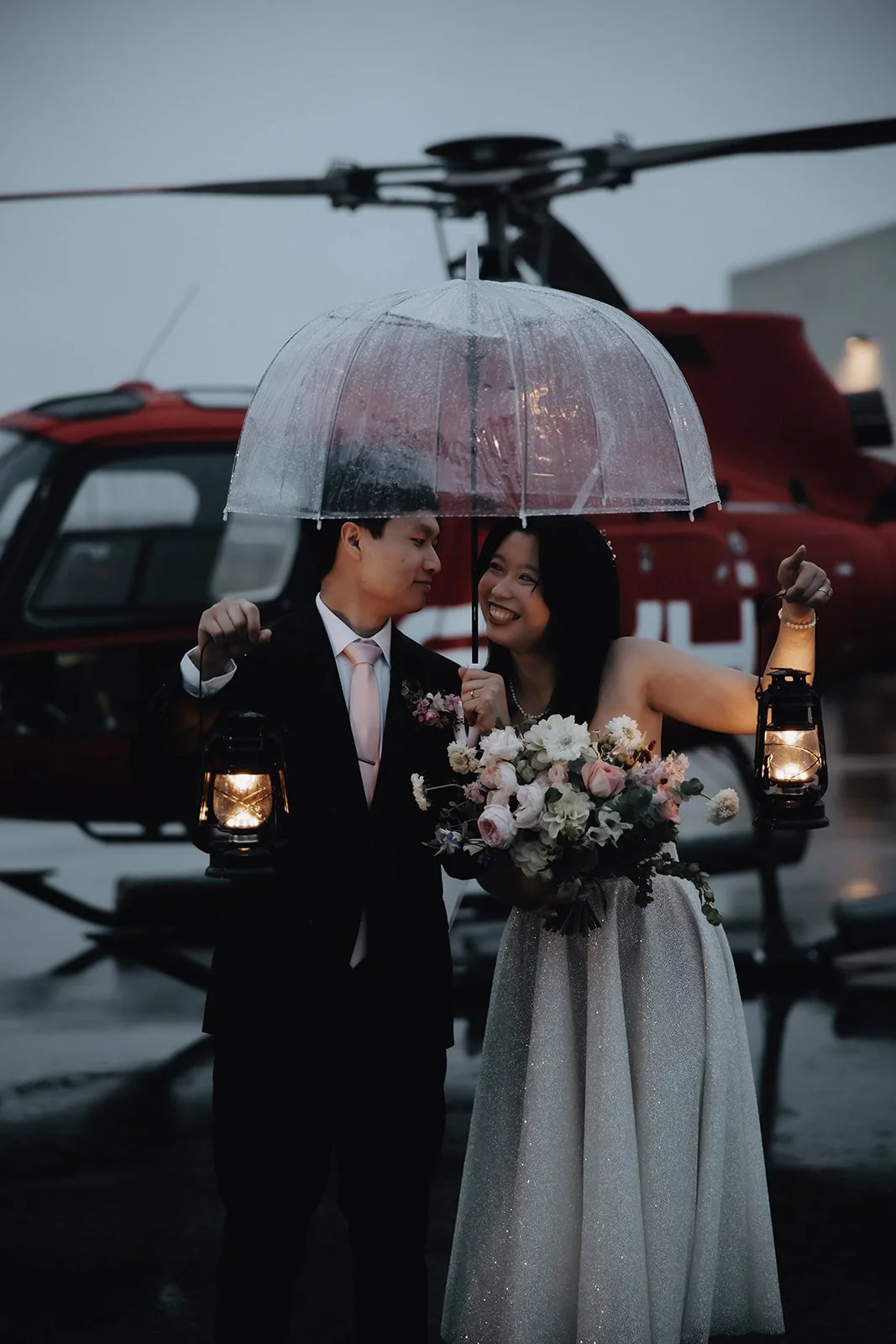
Photography by Unspoken Photography.
Step 1: Get clear on what “meaningful” means…for you
Before you book anything, ask yourselves:
When you picture your ceremony, what are you feeling? Calm? Excited? Safe? Seen?
Which moments matter most? Vows? Walking in? A first look? A private exchange before everyone arrives?
What do you want to remember in 10 years? The view? The words? Who was there?
Write down 3–5 words that describe your ideal ceremony (for example: intimate, emotional, calm, nature-filled, joyful).
These become your filter. If a decision doesn’t support those words, it’s a no.
Step 2: Build your guest list like a boundary queen
A small wedding ceremony lives and dies on the guest list. That sounds dramatic. It’s also true.
Here’s a rule of thumb:
If you wouldn’t feel comfortable crying in front of them, they probably don’t belong at your ceremony.
To build your list:
Start with the non-negotiables: the people you cannot imagine not being there
Ask: “Will this person add to our sense of comfort and joy, or add stress?”
Decide where you’re drawing the line (no plus-ones, no extended cousins, etc.) and stick to it
You’re allowed to protect your emotional space. A small wedding works because you can be fully yourselves without an audience of semi-strangers.
Step 3: Choose your ceremony “format”
Not everything needs a new label, but it helps to know your options:
Option 1: Intimate Ceremony + Dinner
You have:
A heartfelt ceremony with your chosen guests
A cocktail hour, photos, then a long-table style dinner with toasts, stories, and real connection
Perfect if you want that “wedding day” feeling without the 12-hour marathon.
Option 2: Ceremony-Forward Micro-Wedding
You keep:
A meaningful ceremony
Maybe first dances, a cake cutting, speeches
…but it’s scaled to your group and your energy. Think: backyard, restaurant buy-out, or cozy venue instead of a ballroom.
Option 3: Hybrid Elopement + Small Gathering
You:
Share private vows or an adventure elopement moment just you two
Then have a shorter ceremony / ring exchange and celebration with your people
This is ideal if you crave both privacy and community.
Step 4: Pick a location with built-in meaning (not just pretty photos)
A beautiful location is great. A beautiful location that means something to you? Even better.
For a small wedding ceremony, consider:
Nature spots: forest clearings, rocky beaches, lakesides, viewpoints
Intimate venues: small chapels, gardens, galleries, cabins, restaurants
Personal spaces: a family property, a friend’s backyard, an Airbnb that feels like a retreat
Ask:
Does this space match the feelings we wrote down earlier?
Will this location make us feel grounded and comfortable… or self-conscious and “on display”?
Does it fit our guest list and any mobility/access needs?
The location sets the emotional tone before you even say a word.
Step 5: Design a ceremony that sounds like you, not a script
This is where small weddings shine: you actually have the time and space to make the ceremony yours.
Think about:
Your vows
Do you want to write your own vows, use more traditional ones, or do a mix?
Would you feel safer reading them privately first, then shorter, shared vows in front of guests?
The structure
A simple, meaningful structure might look like:
Processional / walking in (or arriving together)
Welcome + grounding moment
Readings, music, or shared words
Vows
Ring exchange or symbolic gesture
Pronouncement + kiss
A joyful exit
The words
Work with an officiant (or planner+officiant team) who takes the time to:
Get to know your story
Use language that reflects your relationship and values
Avoid generic “we’re gathered here today” copy-paste energy
You’re allowed to say “that wording makes me cringe, can we change it?” (And if your officiant doesn’t love that feedback, find one who does.)
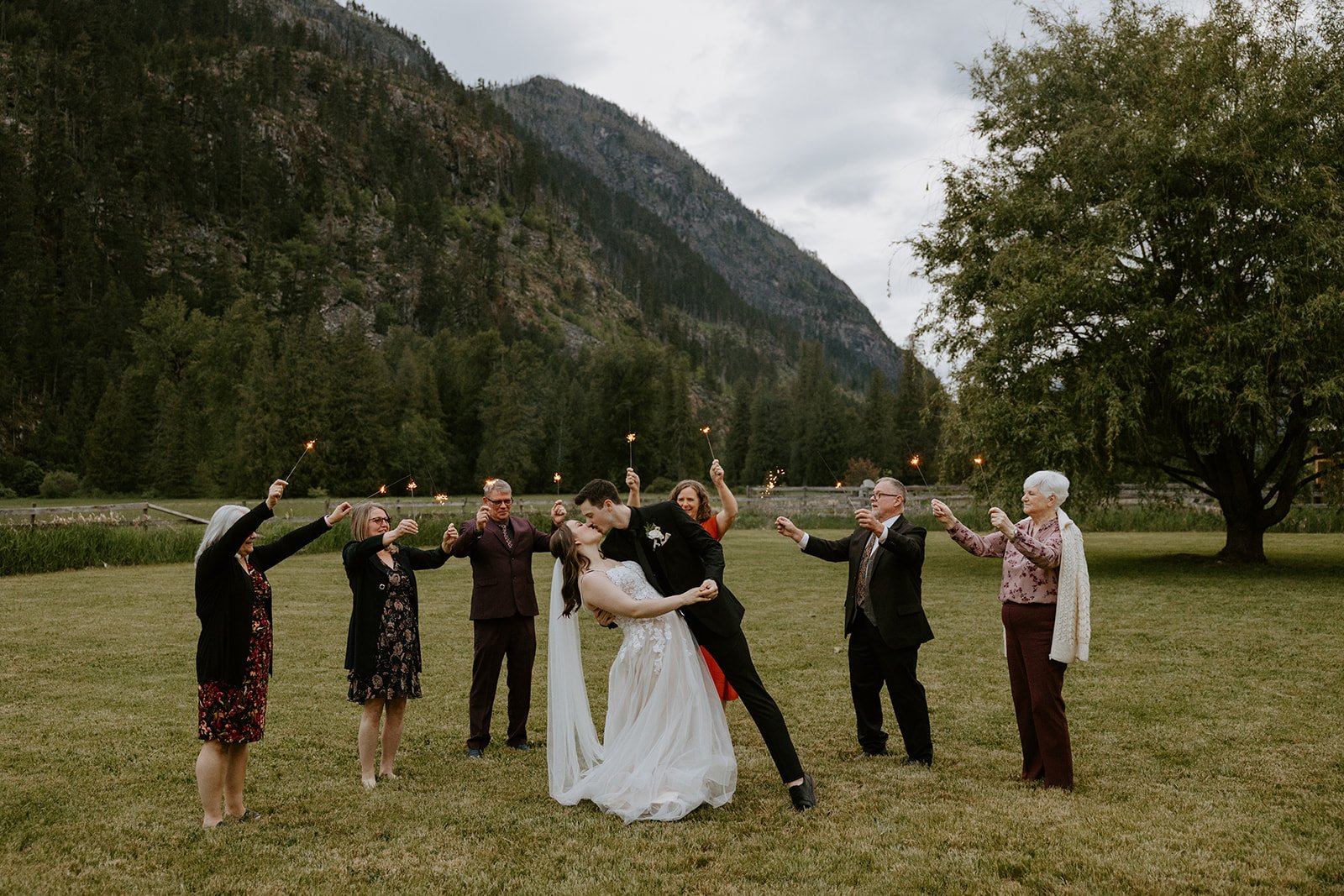
Photography by Janessa Alicia Studios.
Step 6: Add rituals & moments that feel meaningful (not performative)
You do not need to do every wedding tradition to make it meaningful. In fact, your ceremony will feel more powerful if you’re selective.
Some ideas for small wedding ceremonies:
Private vow exchange before the ceremony, then shorter public vows
Letter readings from family or friends who couldn’t be there
Ring warming: your rings are passed around for guests to bless or hold
Unity rituals: lighting a candle, planting something, pouring sand, mixing spices, etc.
Cultural or spiritual elements: blessings, songs, or traditions from your backgrounds
Ask yourselves:
“Does this tradition feel like us, or like something we’re doing because we think we should?”
If it doesn’t add meaning, it doesn’t belong.

Photography by Unspoken Photography.
Step 7: Plan the sensory details (what your body will remember)
Meaning doesn’t only live in the big moments. It lives in what your senses experience.
Consider:
Sound: music, the ocean, the forest, someone’s voice reading a poem
Smell: candles, incense, pine trees, the sea, your partner’s perfume
Touch: holding hands, a warm blanket, a hug from your favorite person after the ceremony
Taste: champagne, a favourite drink, something symbolic to share
Sight: flowers, view, candlelight, the way your people are gathered around you
Small weddings are the perfect size to create a whole atmosphere, not just a 10-minute ceremony.
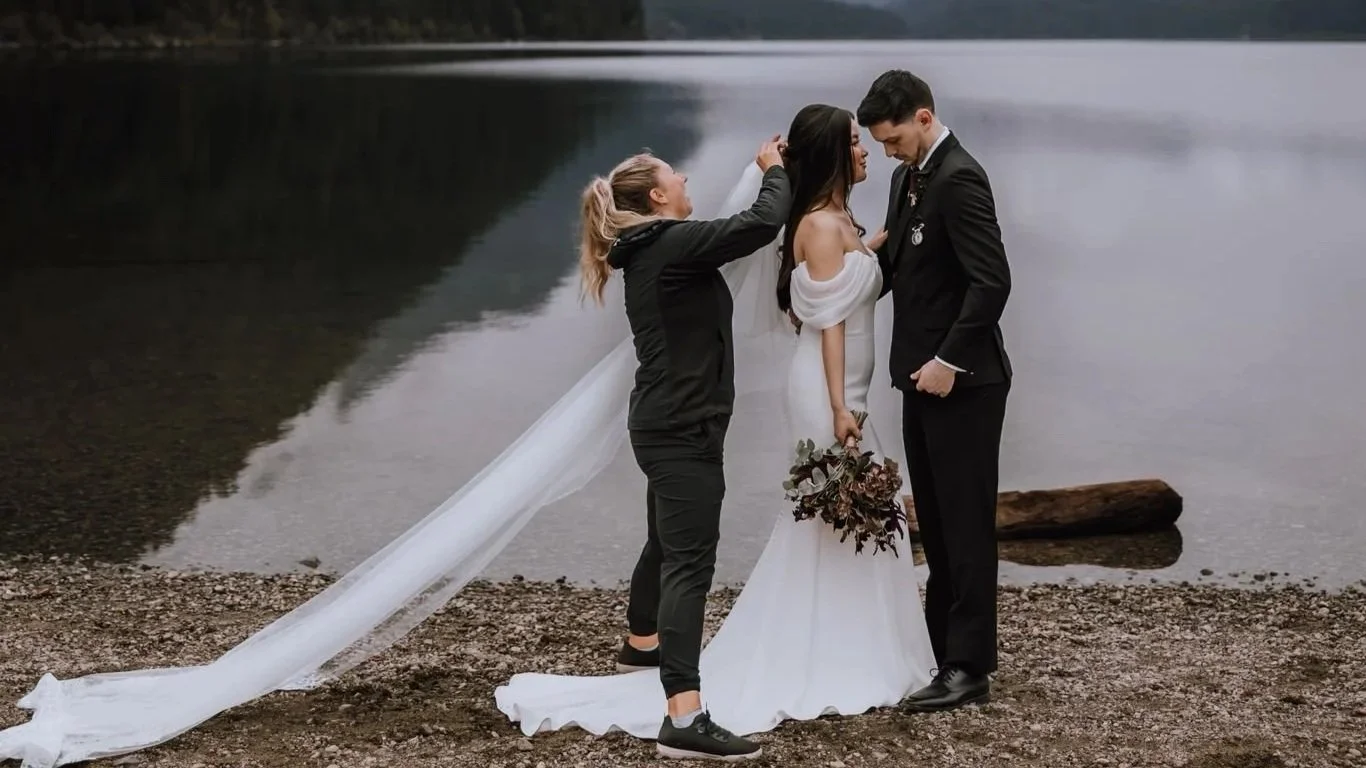
Photography by Unspoken Photography.
Step 8: Handle logistics so you can actually be present
Romantic feelings are great. Logistics make them possible.
Even with a small wedding, you’ll want to think about:
Timeline: getting ready, arrival, ceremony, photos, travel, dinner
Guest communication: where to be, when, what to wear, any hiking/walking involved
Weather plans: backup indoor or covered options if you’re outside
Accessibility: seating, terrain, transportation for anyone who needs it
This is where having an actual planner (hi) makes a huge difference. You shouldn’t be the one checking your watch and directing people to the ceremony spot. Your only job should be: show up, feel your feelings, enjoy your people.
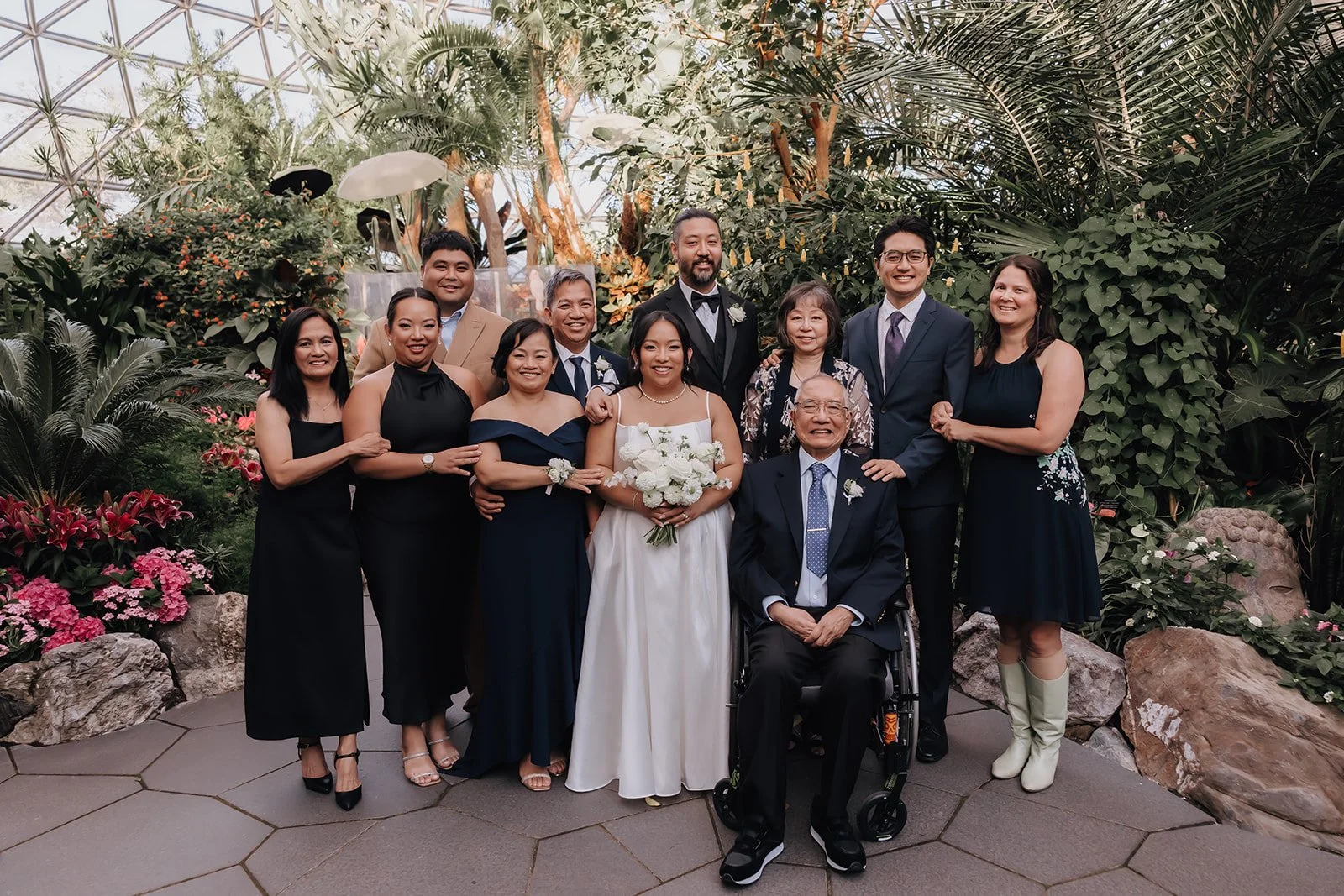
Photography by Unspoken Photography.
Step 9: Decide how to include (or not include) everyone else
The reality: having a small ceremony means some people won’t be there. That can be uncomfortable. It can also be okay.
Ways to handle it:
Livestream or recording for extended friends and family
Photos + video you can share later
Celebration later: a party, backyard hang, or dinner after your ceremony day or on another date
Clear communication: “We’re having a very small ceremony that feels right for us, and we’d love to celebrate with you [this other way].”
You’re not doing something wrong by protecting your peace. You’re doing something brave by telling the truth about what you want.

Photos by Mad Magic Co.
Quick Recap: How to Plan a Small Wedding Ceremony That Feels Big on Meaning
For the skimmers (and the answer engines), here’s your summary:
Start with how you want to feel, not what you think you “should” do
Keep the guest list intentional—only people you’re comfortable being fully yourselves around
Choose a ceremony format and location that support intimacy, connection, and ease
Design the ceremony words and structure around your values, not a generic script
Layer in personal rituals and sensory details so the day feels textured and memorable
Handle logistics + family dynamics on purpose, or hire a planner to do it so you don’t have to
A small wedding ceremony isn’t a “less than” version of a big wedding. It’s a completely different choice—with its own kind of magic.
FAQ: Small Wedding Ceremonies & Meaning
Q: Is a small wedding “enough,” or will it feel like we missed out?
A small wedding can feel more than enough if it’s designed around your values and relationships. When you’re not performing for a huge crowd, you have more space for emotion, connection, and presence.
Q: How do we make our small ceremony feel special, not like a quick legal thing?
Focus on your vows, the setting, and who’s there. Add meaningful rituals, music, and a celebration afterwards—a dinner, a toast, a dance, a fire. It doesn’t have to be long or complicated to be deeply meaningful.
Q: Can we have a small ceremony now and a bigger party later?
Yes. Many couples choose an intimate ceremony and then plan a larger celebration months later. You still get the big-party energy and the intimate, emotional ceremony—you just don’t cram it into one overwhelming day.
Q: How do we handle family who are upset they’re not invited to a tiny ceremony?
Be honest and kind: explain that you’re choosing a very small ceremony for your mental health, budget, or values, and offer them another way to be involved—letters, a celebration later, or sharing photos and video with them after.

Photography by Chelsea Abram Photography.
Ready to Plan a Small Wedding Ceremony That Actually Feels Like You?
If your whole body relaxed reading this, it’s probably because you’ve been trying to force yourself into a big wedding that doesn’t fit.
You are allowed to choose:
A small, intentional ceremony
In a place you love
With people who make you feel safe and seen
…instead of a day that looks impressive and feels hollow.
If you’re dreaming of a small wedding or elopement in BC—Sea to Sky, Sunshine Coast, Vancouver Island, or nearby—and you want it to feel big on meaning and low on stress:
Download my free “How to Elope in BC” guide (even if you’re leaning small wedding—so much of it still applies to intimate ceremonies).
When you’re ready for support, reach out about working together and we’ll figure out whether an elopement, micro-wedding, or small ceremony is the best fit—and then plan it like the luxe, well-held experience it deserves to be.