How to Choose an Elopement Location Based on Energy, Not Just Scenery
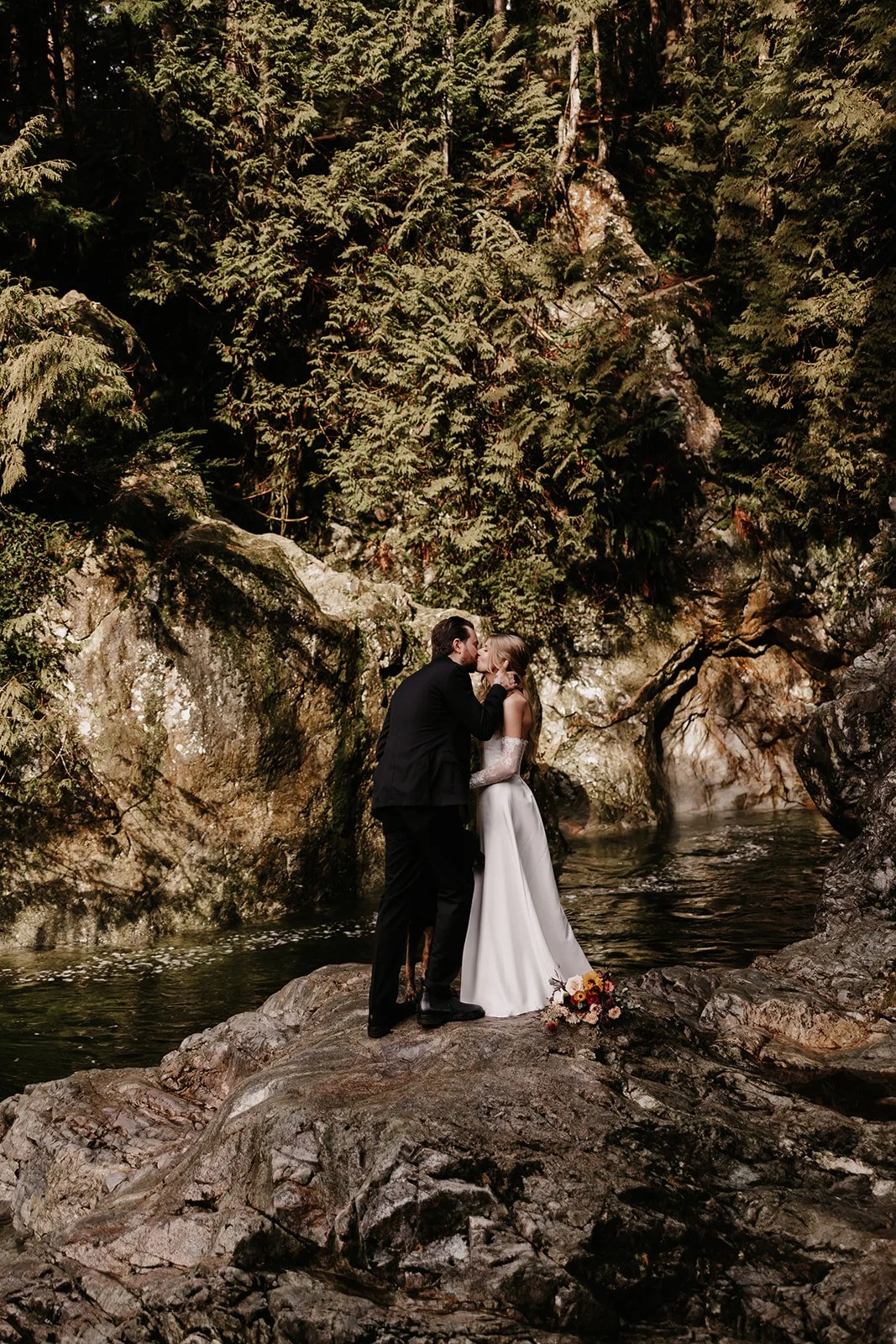
Photography by Unspoken Photography.
Most couples approach elopement location planning like this: they scroll through Pinterest, fall in love with an image, and try to figure out how to recreate it.
That's not a bad starting point. But it often leads couples to places that look incredible in photos and feel nothing like what they actually wanted on the day.
The image that made your heart race was probably taken at golden hour after a two-hour hike, in a location that gets thirty inquiries a week, with a photographer who arrived two hours early to scout it. What you're seeing is a result — not the experience.
The experience is what you'll actually remember.
Scenery and energy are not the same thing
A location can be stunning and still feel completely wrong for you. And a location that looks modest in photos can produce a ceremony that moves you to your core.
That's because the feeling of a place — the energy of it — is made up of things that don't photograph: the quiet, the scale, the texture underfoot, the way sound moves, how exposed or sheltered it feels, whether you're likely to be alone there or share the moment with strangers walking past.
When you're choosing a location based only on how it looks, you're optimizing for the photo. When you choose based on energy, you're optimizing for the experience. And for most couples, the experience is the point.
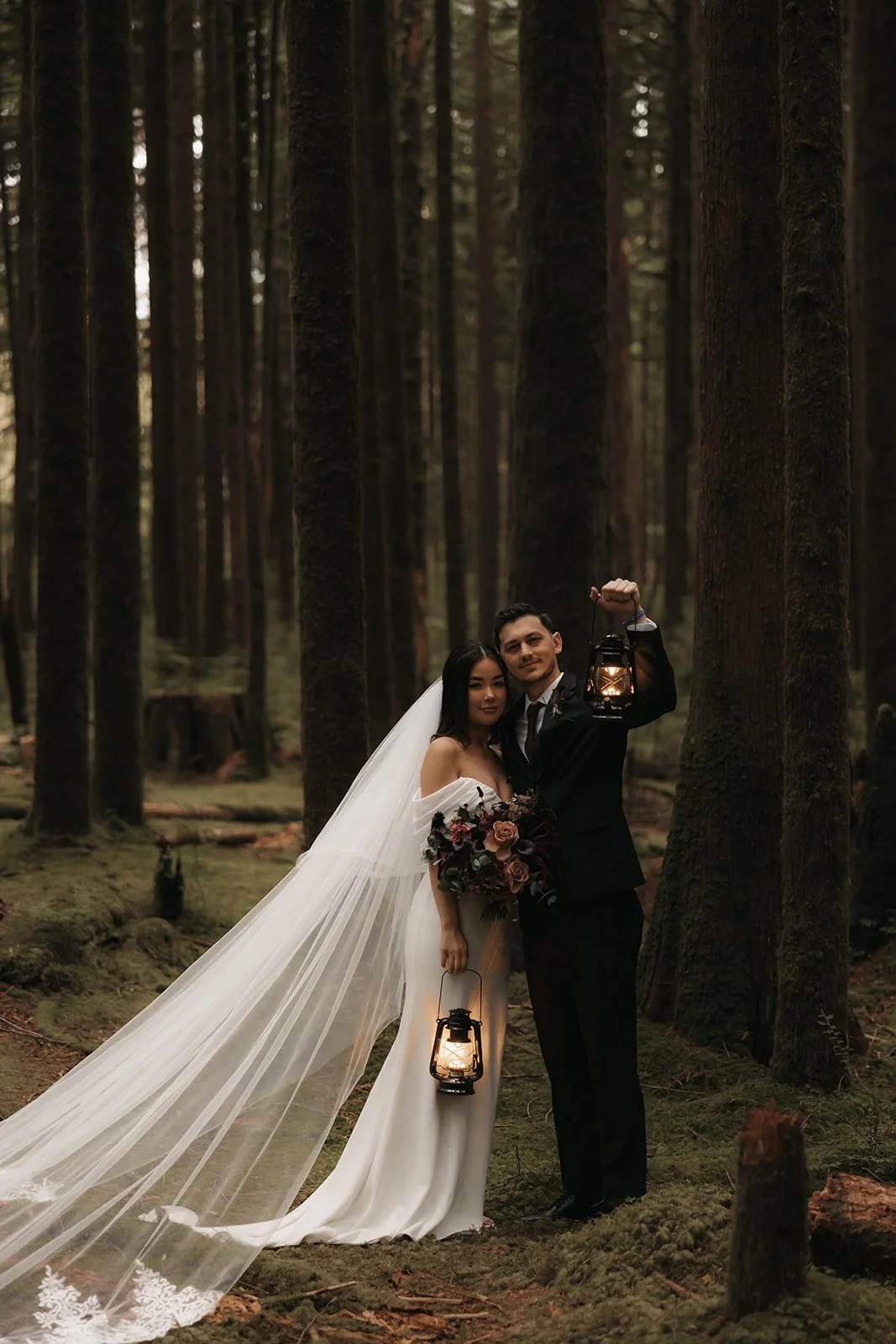
Photography by Unspoken Photography.
The four energy types — and how to figure out which one is yours
In my experience planning elopements across BC, most couples fall into one of four location energies. These aren't rigid categories — you might be a mix of two — but they're a useful way to start narrowing in on what's actually right for you.
Calm, grounded, intimate
You want to feel anchored. You want somewhere that holds you, not somewhere that makes you feel exposed. You're drawn to forest light, mossy textures, the sound of water. You don't need dramatic scale — you need beauty that feels close.
Think: old-growth forests, river valleys, quiet lakeshores with tree cover.
Dramatic, cinematic, expansive
You want to feel the full weight of the moment. You want to look out and see forever. You want a backdrop that makes the ceremony feel as big as it actually is. You're not scared of exposure — you want it.
Think: alpine meadows, ridge lines, open glacier viewpoints, clifftop coastal locations.
Cozy, sheltered, emotional
You're not about adventure. You want to cry. You want to feel wrapped up. You want somewhere that feels like a secret — intimate and protected. The ceremony should feel like a room, not a stage.
Think: protected coves, forested clearings, private waterfall alcoves, sheltered meadow pockets.
Playful, adventurous, exploratory
Your wedding day should feel like an experience, not a ceremony. You want to earn the location a little. You want the day to feel alive. You'd rather be hiking in your dress than standing still.
Think: summit locations, multi-stop adventure days, kayak-in or boat-in spots, backcountry meadows.
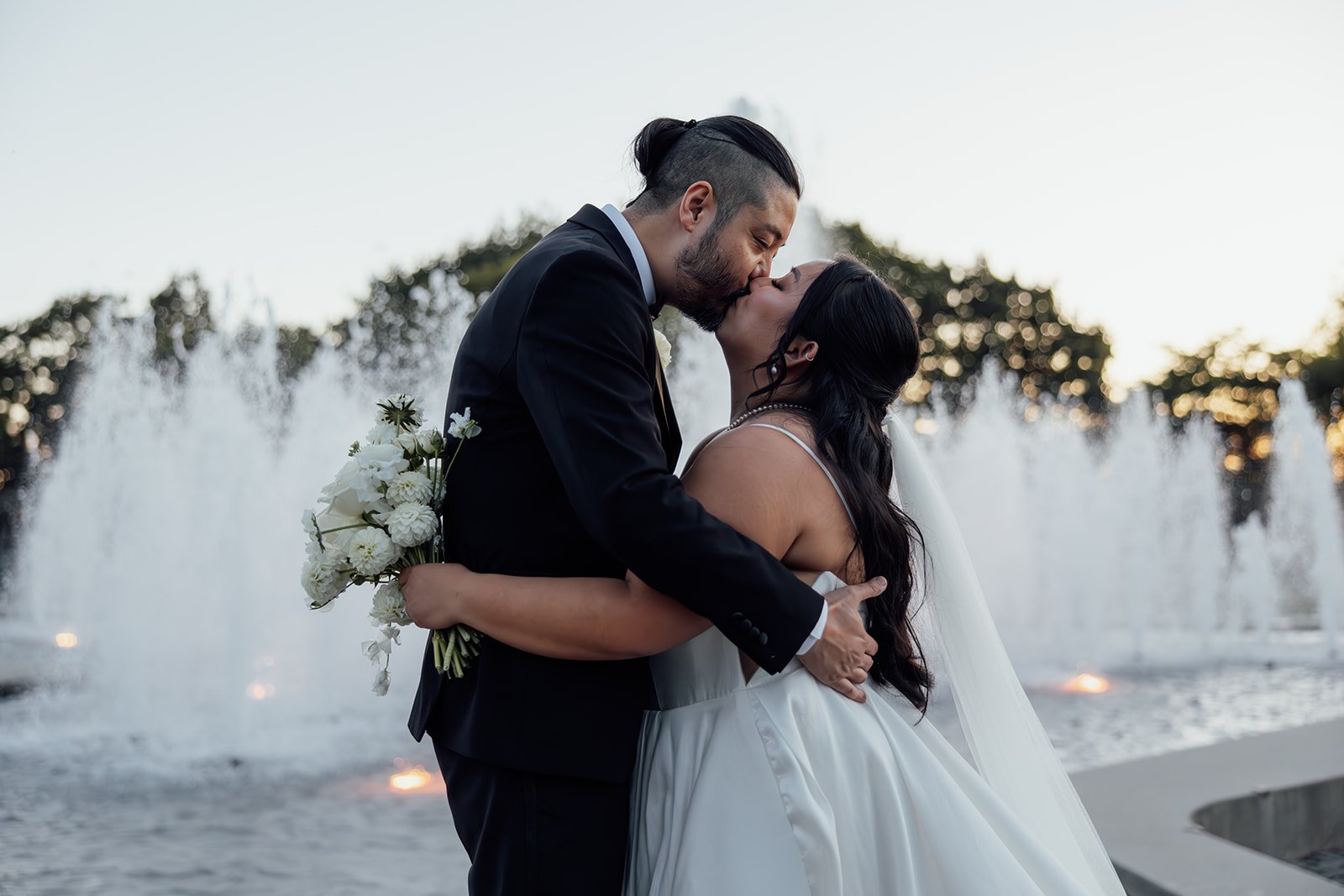
Photography by Unspoken Photography.
The practical questions that shape the energy
Once you know the general feeling you're after, the practical questions matter just as much:
How long do you want to be at the ceremony location? An hour or four?
Will you have guests, and does the location work for them?
How do you feel about altitude, exposure to wind, or physical effort to get there?
Is privacy important — would strangers walking past shift how you feel in the moment?
What time of year are you getting married, and how does that change the location's character?
These aren't just logistics. They're the things that shape whether you feel fully present for your ceremony or slightly somewhere else in your head.
Why the photo you loved might not be the place for you
Here's the thing about those sweeping mountain images: they're often taken in conditions that are cold, windy, physically demanding, and heavily exposed. For some couples, that's exactly right. For others, it produces a ceremony where they're bracing against the wind, rushing through vows, and too cold to feel much.
That's not a failure of the location. It's a mismatch between the energy of the place and the energy the couple actually needed.
The most meaningful elopements I've planned have happened in places that weren't anyone's first Pinterest save — but that felt completely, unmistakably right on the day.
How to start
Think about the last time you were somewhere in nature that felt completely right. What was it about that place? The quiet? The scale? The way it felt protected or exposed? The light? The sound?
That feeling is your starting point. The location comes after.
Sea to Sky Elopements plans elopements across British Columbia. Location selection is one of the most important parts of the planning process — and one that I approach based on what's actually right for each couple, not just what photographs well.
Elopement Location Planning FAQs (BC)
How do we choose the right elopement location in British Columbia?
Start by focusing on how you want your day to feel—not just how it looks. The best elopement locations are chosen based on energy, experience, and personal connection, not just Pinterest inspiration.
Should we choose our elopement location based on photos?
Photos can inspire you, but they don’t tell the full story. Many iconic images are taken in specific conditions (like golden hour or after long hikes), which may not reflect the actual experience on your wedding day.
What does “location energy” mean for an elopement?
Location energy refers to how a place feels—not just how it looks. It includes factors like privacy, sound, texture, exposure, and atmosphere, all of which shape your emotional experience during the ceremony.
What are the different types of elopement location styles?
Most couples are drawn to one (or a mix) of these four energies:
Calm and grounded (forests, lakes)
Dramatic and expansive (mountains, cliffs)
Cozy and sheltered (hidden coves, forest clearings)
Playful and adventurous (hikes, backcountry spots)
What is the best type of elopement location for a private ceremony?
If privacy is important, look for calm, grounded, or cozy locations like forested areas, secluded waterfalls, or sheltered coves. These environments naturally create intimacy and reduce foot traffic.
Are mountain elopements always the best option in BC?
Not necessarily. While mountain views are stunning, they often come with wind, cold, exposure, and physical effort. The best location is one that matches your comfort level and desired experience—not just dramatic scenery.
How does accessibility impact our elopement experience?
Accessibility plays a huge role in how your day feels. Long hikes, uneven terrain, or remote access can add adventure—or stress. Choosing the right balance ensures you stay present and enjoy the moment.
What practical factors should we consider when choosing a location?
Key considerations include:
Time spent at the location
Guest accessibility
Weather and season
Privacy levels
Physical effort required
These factors directly impact your comfort and emotional experience.
Why do some beautiful locations not feel right on the wedding day?
A location can look incredible but feel uncomfortable due to weather, crowds, or exposure. When the energy doesn’t match your needs, it can make it harder to stay present and connected during your ceremony.
How can we make sure our elopement feels meaningful and personal?
Reflect on places where you’ve felt most at ease in nature. Whether it’s quiet, expansive, cozy, or adventurous, that feeling should guide your location choice—not trends or popular photos.
Is it okay if our elopement location isn’t “epic” or dramatic?
Absolutely. Some of the most meaningful elopements happen in understated locations that feel deeply personal. What matters most is how the place supports your experience—not how dramatic it looks in photos.
Should we work with an elopement planner to choose a location?
Yes—an experienced planner can help match you with a location that aligns with your vision, energy, and logistics. This ensures your day feels effortless, intentional, and true to you.