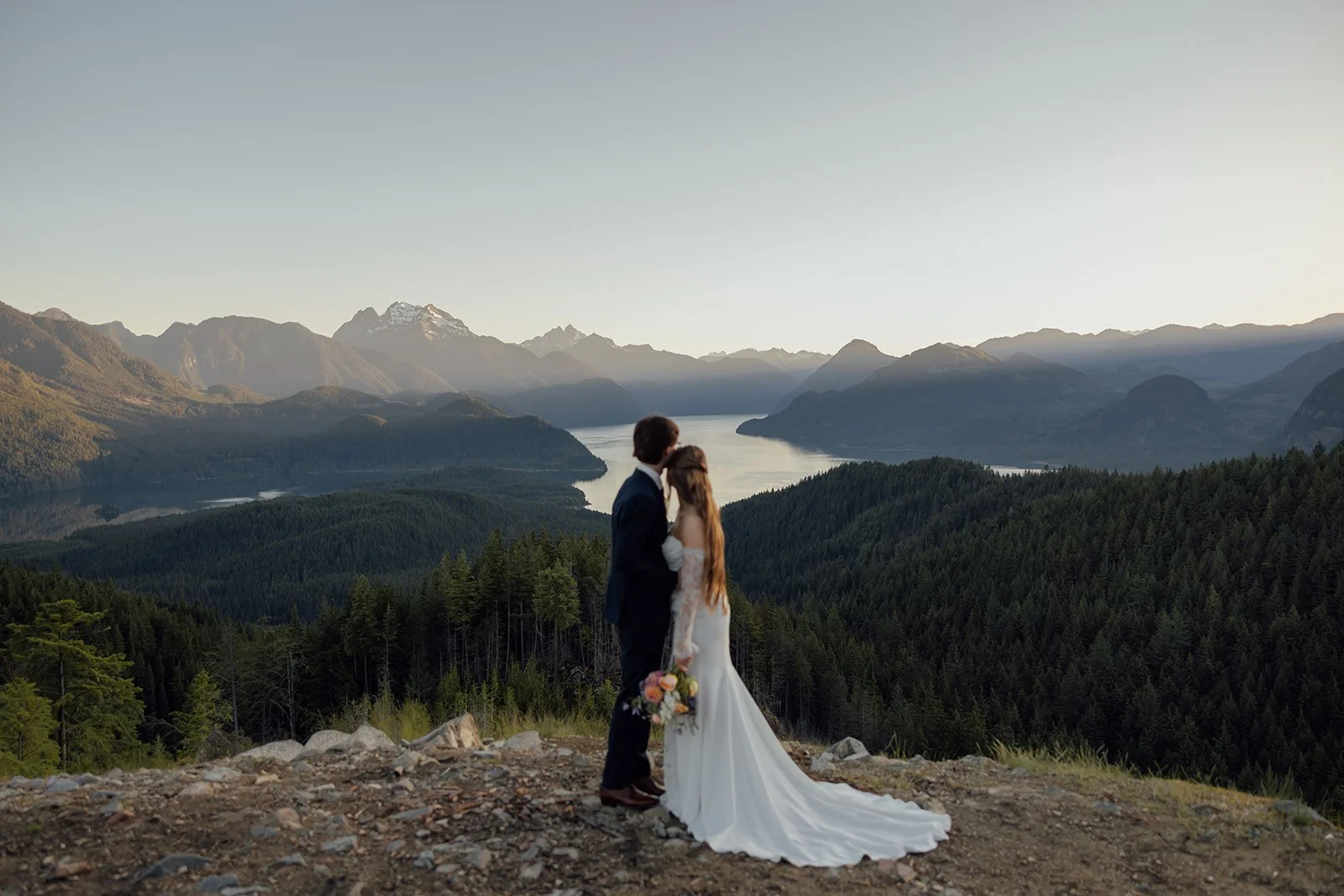
Photography by Unspoken Photography.
There's a version of elopement planning that goes: find a photographer, find an officiant, find a florist, find a location, put them in a calendar. Done.
That's vendor booking. It produces a wedding day with all the right elements present. It doesn't automatically produce an experience.
The difference between those two things is significant, and it's something I think about a lot in how I approach planning.
Vendors are components. An experience is something you design.
When you book a photographer, you've secured someone to document the day. When you book an officiant, you've secured someone to legally marry you. When you book a florist, you've secured flowers.
What you haven't necessarily done is thought about how those elements interact. How much time the photographer needs for portraits relative to the ceremony. How the florist delivery timing fits into the getting-ready flow. What the couple is doing between arriving at the location and the ceremony starting. How the energy moves from getting ready to ceremony to whatever comes after.
Those in-between moments — the transitions, the pacing, the texture of the day — are what determine whether it feels like an experience or a series of scheduled events.
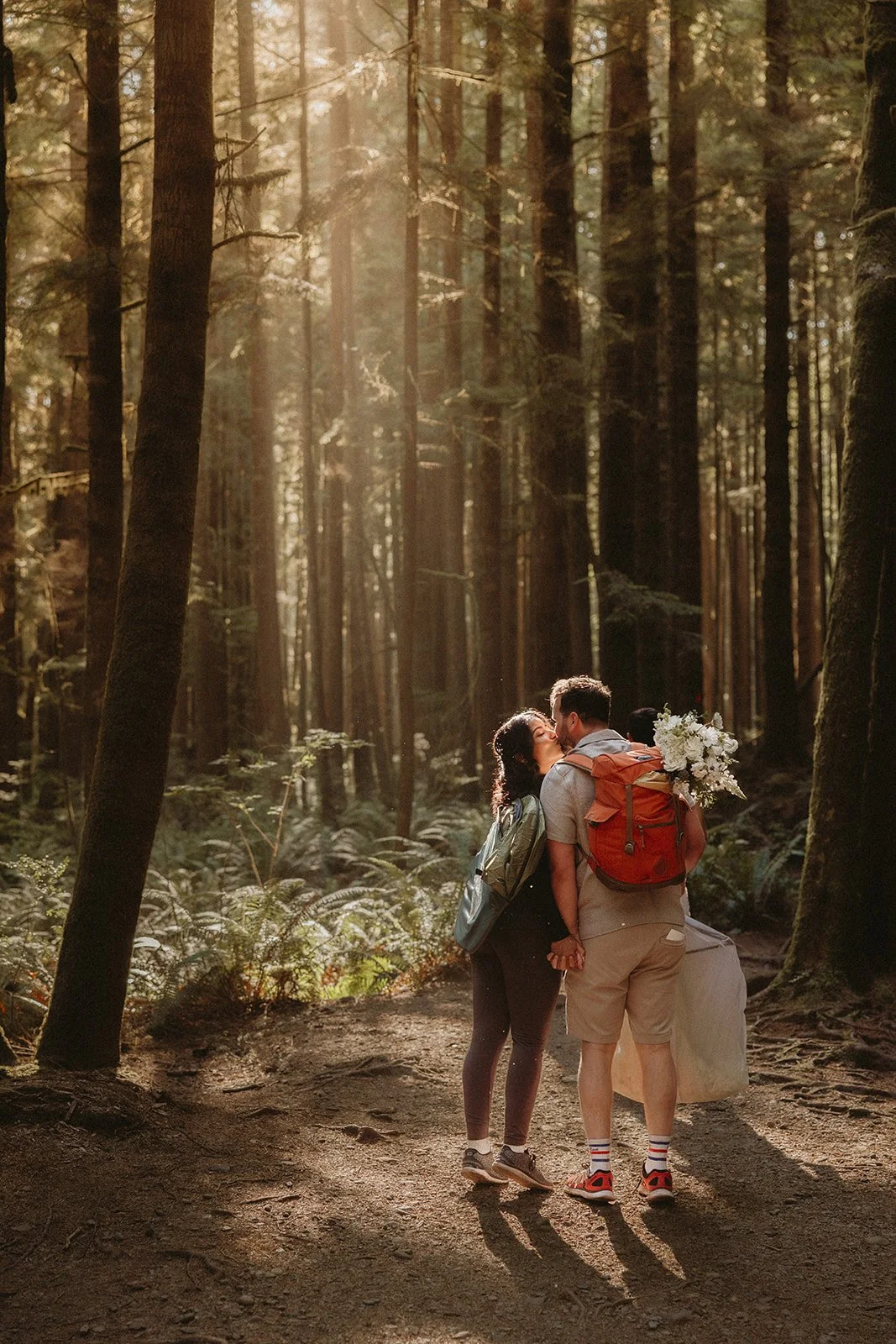
Photo by Mad Magic Photography.
The questions that shape an experience
When I start planning an elopement, I'm thinking about things that don't have a line item in any vendor contract:
What do you want to feel when you wake up that morning? What's the first moment of the day that should feel significant? When do you want to be alone together, and when do you want to feel surrounded? What do you want to be doing when the light is at its best? What are you eating that day, and when — because hunger affects everything! What happens in the hour after the ceremony when the adrenaline settles?
The answers to those questions shape a timeline that's built around human experience, not just logistics. And that's a fundamentally different document than a run of show.
Cohesion is designed, not assumed
When vendors are booked independently and show up without a shared understanding of the vision, the day can feel disjointed. The florals are beautiful but slightly off in tone from the overall aesthetic. The ceremony feels rushed because the photographer needed more portrait time and nobody adjusted the timeline. The officiant's words don't quite reflect who the couple actually is because nobody briefed them properly.
These aren't failures of individual vendors — they're usually failures of coordination and communication. A planner's job is to make sure every person showing up to your wedding day understands the vision, knows their role, and is set up to contribute to something cohesive.
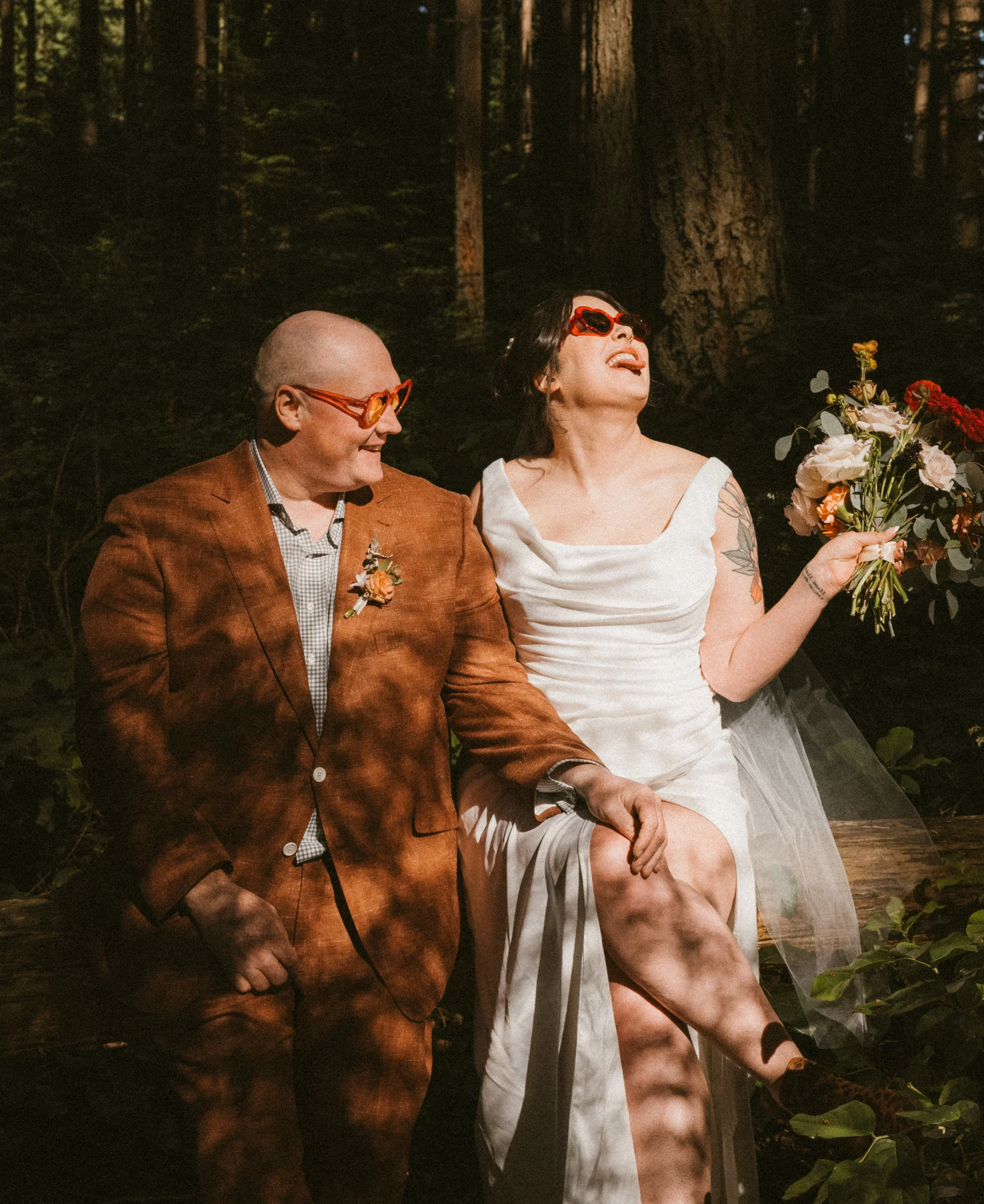
Photography by Chelsea Abram Photography.
The moments that don't photograph
Some of what makes a wedding day feel like an experience isn't captured in images. It's the quietness of the morning. It's having snacks waiting when you arrive at the getting-ready location. It's someone giving you the nod when it's time and you trust them completely. It's the couple having twenty minutes to themselves after the ceremony before anything else happens.
Those moments are planned. They don't just occur. And they're often the ones couples describe most vividly when they talk about their day.
What this means for how you approach planning
If you're building your elopement by collecting vendors, I'd encourage you to also spend time thinking about the day as an arc. What's the opening? What's the emotional peak? What's the landing?
Or work with a planner who thinks about it for you because that's exactly what we're doing in the background while we're also managing the logistics.
Sea to Sky Elopements plans elopements as full experiences — not just vendor lineups. If you want to understand what that actually looks like in practice, reach out and let's talk through it.